Industries
Services
News and Insights
About Us
EN
Find course

Industries

Oil and GasRenewablesMaritimeTerminals & Logistics

Services

TrainingManaged Services24/7 Crisis ManagementPeople and PerformanceTraining Consultancy

News and Insights

NewsGuidesIndustry Dictionary

About Us

About UsOur StoryOur LeadershipAccreditationsOur LocationsMeet Our PeopleCareers Contact Us

Maersk Training

CareersPress & MediaTerms & ConditionsPrivacy Policy & Cookie Policy

© Maersk Training

LinkedInFacebookYouTubeNewsletter
Home/
Industries/
Maritime Industry/
Tanker Competence Hub

Tanker Competence Hub

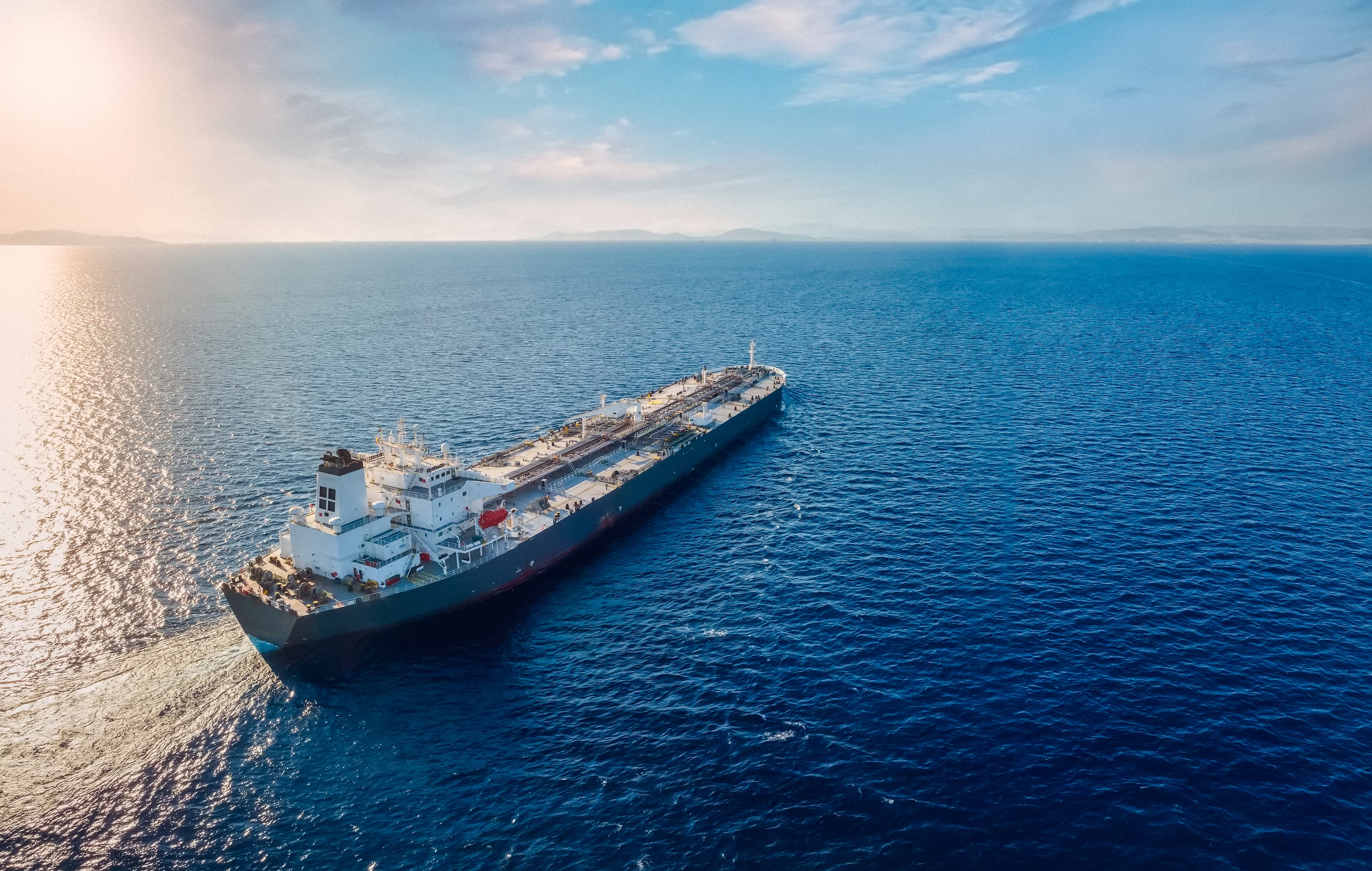
Essential training for safer tanker operations—from ship and cargo handling, bridge and engine management to SIRE 2.0 preparation, safety culture, and leadership development.
View All Tanker CoursesRequest a Customised Programme

Targeted Training for Modern Tanker Fleets

The Tanker Competence Hub is your one-stop solution for building safer, smarter tanker operations. With hands-on simulation, compliance-driven content, competency and leadership development modules, we support your full operational lifecycle—from cargo operations, navigation and ship handling to inspection/vetting success.

  • SIRE 2.0 readiness

  • Liquid cargo handling (LNG/LPG) – oil/chemical

  • Advanced BRM/ERM, HSE and leadership training solutions

  • Senior officers' pre-hire and promotional assessment

  • Human element, psychological safety and culture development
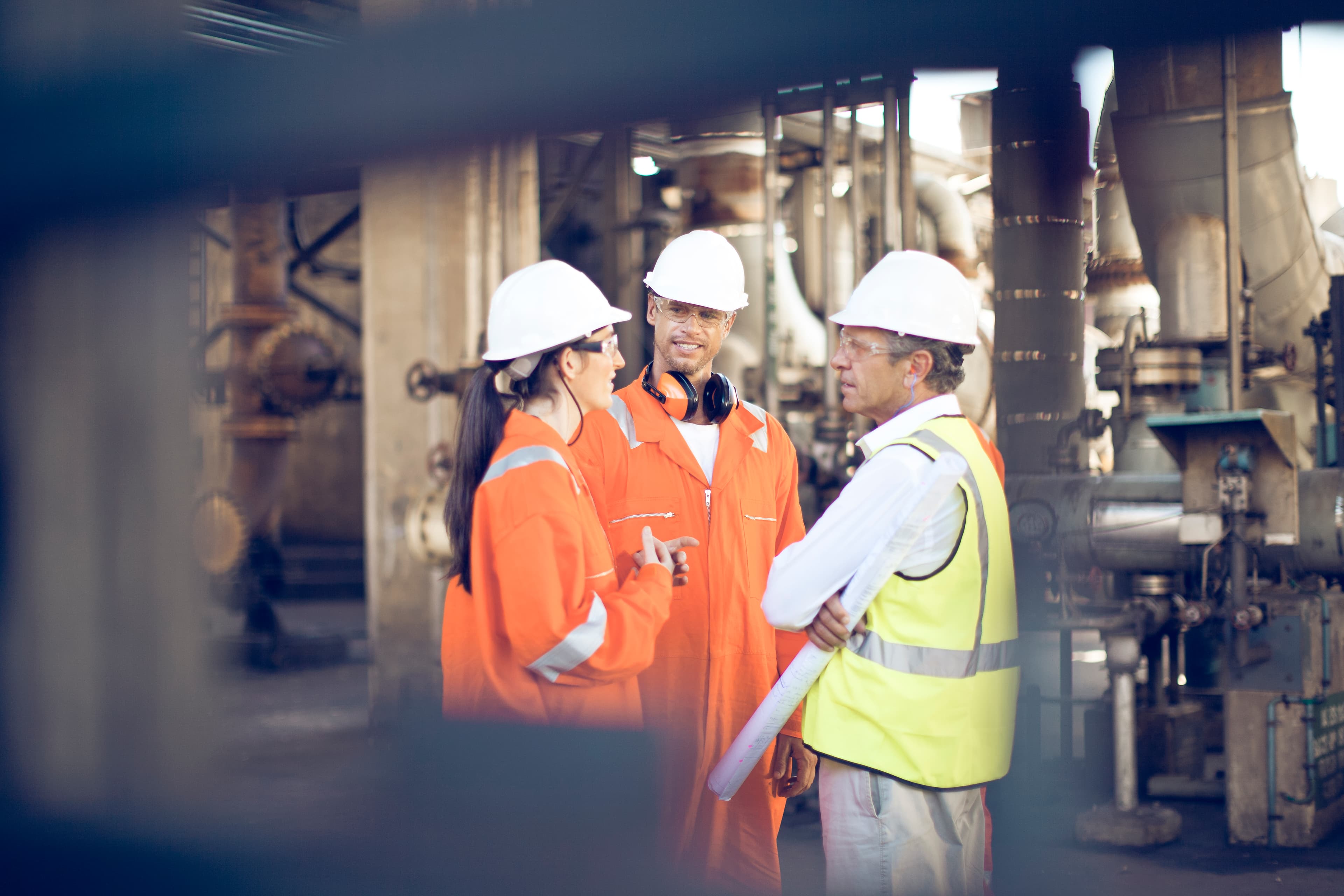
Export instructor on rig

Ideal For

  • Tanker operators and fleet managers

  • Shipowners with LNG/LPG carriers

  • Crewing managers preparing for vetting

  • Safety and compliance teams

Core Training Areas

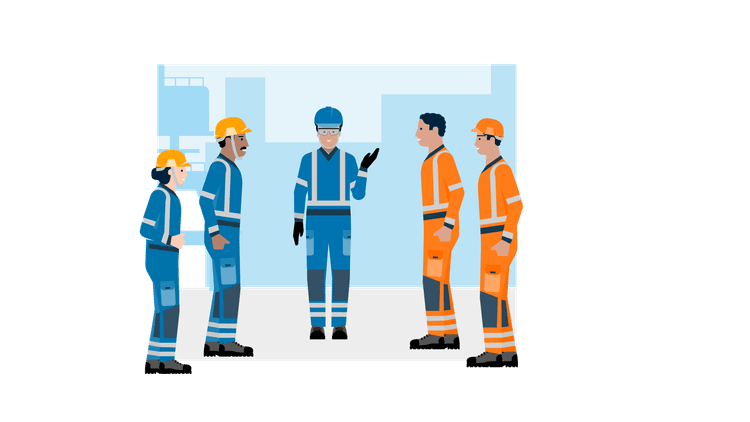
We offer training in liquid cargo handling, ship handling, and SIRE 2.0 safety. Courses cover LNG/LPG, oil transfer, tanker manoeuvring, BRM/ERM, and inspection readiness with a focus on teamwork, emergency response, and behavioural safety.

Teamwork

SIRE 2.0 Familiarization Workshop - Virtual

This workshop equips participants with the knowledge and skills to navigate the SIRE 2.0 inspection regime, covering new procedures, tools, question formats, reporting, and practical exercises for effective inspection readiness.

Remote Learning

Liquefied Petroleum Gas (LPG) Tanker Cargo and Ballast Handling Simulator (LCHS)

The LPG Tanker Cargo and Ballast Handling Simulator (LCHS) course equips you with the knowledge and hands-on experience to operate LPG tanker cargo and ballast systems safely and efficiently. Designed for maritime professionals, this simulator-based training ensures you can manage real-world scenarios without the risk of on-the-job errors.

Online Educations

Liquefied Natural Gas (LNG) Tanker Cargo and Ballast Handling Simulator (LCHS) - Blended

This blended course combines online theory with hands-on simulator training, giving you the practical experience needed to perform LNG operations to international safety standards.

Ship to Ship Transfer - Virtual

This course offers a practical and detailed understanding of Ship-to-Ship (STS) transfer operations, based on OCIMF guidelines, covering planning, safety, coordination, risk management, and hands-on simulation.

Bridge Resource Management - Ship Simulator and Bridge Teamwork IMO 1.22

This course develops leadership, communication, and decision-making skills for Deck and Navigation Officers, focusing on human factors, crisis response, cultural awareness, and safe vessel operations.

Engine Resource Management - Engine Room Simulator IMO 2.07

This simulator-based course equips marine engineers with decision-making and troubleshooting skills for engine room operations, meeting STCW standards and focusing on safe watchkeeping and emergency response.

ME-C Electronic Engine Standard Operation

This course provides the knowledge needed to operate MAN electronic engines safely and efficiently. It builds competency in systematic troubleshooting and problem-solving for electronically controlled engines.

Maritime Risk Management and Incident Investigation - Virtual

This two-day course equips shore and ship personnel with key skills in risk assessment and incident investigation. Based on IMO Model Course 3.11 and ISM Code, it helps participants effectively investigate incidents within their organisations.

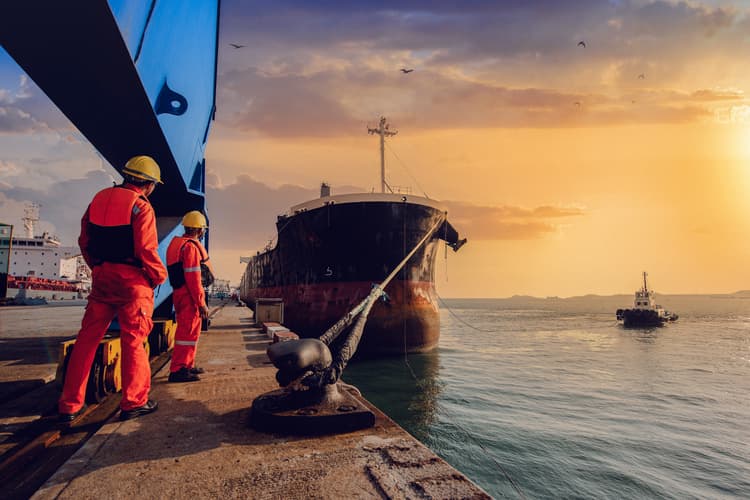
Two workers in safety gear supervise the mooring of a large cargo vessel at sunset, while a tugboat assists in the background. The scene highlights maritime operations and safety at port.

Ship Handling for Large Vessels - Virtual

This course prepares officers with COC to handle vessels over 100,000 GRT, following STCW Code B-V/a. It covers challenges like high inertia, stopping distance, and environmental effects. Participants gain hands-on experience through simulator exercises in safe navigation and berthing of large ships.

Ulisses Moura, Norskan (DOF), Chief Engineer

RT - Flex Engine Standard Operation

The course covers RT-flex engine design, key components like fuel pumps and actuators, and systems such as ICU, CLU, and VCU. It includes control systems (WECS, UNIC), FlexView interface, basic servicing, simulator exercises, and troubleshooting.

Ship Handling and Manoeuvring - Virtual

Aligned with STCW and IMO Model Course 1.22, this course covers core ship handling skills, standard manoeuvres, and bridge teamwork. It includes leadership, decision-making, automation, passage planning, environmental factors, anchoring, mooring, and emergency preparedness.

Remote Learning

Liquid Cargo Handling Simulator Refresher - Chemical

The cloud-based Liquid Cargo Handling Simulator builds practical skills for safe and efficient tanker operations, focusing on machinery use, cargo segregation, planning, stability, and teamwork in both normal and emergency situations.

Online Educations

Liquid Cargo Handling Simulator Refresher - Oil

The cloud-based Liquid Cargo Handling Simulator builds practical skills in safe and efficient tanker operations, focusing on machinery use, cargo segregation, stability planning, and teamwork during both routine and emergency situations.

Teamwork

SIRE 2.0 Familiarization Workshop - Virtual

This workshop equips participants with the knowledge and skills to navigate the SIRE 2.0 inspection regime, covering new procedures, tools, question formats, reporting, and practical exercises for effective inspection readiness.

Remote Learning

Liquefied Petroleum Gas (LPG) Tanker Cargo and Ballast Handling Simulator (LCHS)

The LPG Tanker Cargo and Ballast Handling Simulator (LCHS) course equips you with the knowledge and hands-on experience to operate LPG tanker cargo and ballast systems safely and efficiently. Designed for maritime professionals, this simulator-based training ensures you can manage real-world scenarios without the risk of on-the-job errors.

Online Educations

Liquefied Natural Gas (LNG) Tanker Cargo and Ballast Handling Simulator (LCHS) - Blended

This blended course combines online theory with hands-on simulator training, giving you the practical experience needed to perform LNG operations to international safety standards.

Ship to Ship Transfer - Virtual

This course offers a practical and detailed understanding of Ship-to-Ship (STS) transfer operations, based on OCIMF guidelines, covering planning, safety, coordination, risk management, and hands-on simulation.

Bridge Resource Management - Ship Simulator and Bridge Teamwork IMO 1.22

This course develops leadership, communication, and decision-making skills for Deck and Navigation Officers, focusing on human factors, crisis response, cultural awareness, and safe vessel operations.

Engine Resource Management - Engine Room Simulator IMO 2.07

This simulator-based course equips marine engineers with decision-making and troubleshooting skills for engine room operations, meeting STCW standards and focusing on safe watchkeeping and emergency response.

ME-C Electronic Engine Standard Operation

This course provides the knowledge needed to operate MAN electronic engines safely and efficiently. It builds competency in systematic troubleshooting and problem-solving for electronically controlled engines.

Maritime Risk Management and Incident Investigation - Virtual

This two-day course equips shore and ship personnel with key skills in risk assessment and incident investigation. Based on IMO Model Course 3.11 and ISM Code, it helps participants effectively investigate incidents within their organisations.

Two workers in safety gear supervise the mooring of a large cargo vessel at sunset, while a tugboat assists in the background. The scene highlights maritime operations and safety at port.

Ship Handling for Large Vessels - Virtual

This course prepares officers with COC to handle vessels over 100,000 GRT, following STCW Code B-V/a. It covers challenges like high inertia, stopping distance, and environmental effects. Participants gain hands-on experience through simulator exercises in safe navigation and berthing of large ships.

Ulisses Moura, Norskan (DOF), Chief Engineer

RT - Flex Engine Standard Operation

The course covers RT-flex engine design, key components like fuel pumps and actuators, and systems such as ICU, CLU, and VCU. It includes control systems (WECS, UNIC), FlexView interface, basic servicing, simulator exercises, and troubleshooting.

Ship Handling and Manoeuvring - Virtual

Aligned with STCW and IMO Model Course 1.22, this course covers core ship handling skills, standard manoeuvres, and bridge teamwork. It includes leadership, decision-making, automation, passage planning, environmental factors, anchoring, mooring, and emergency preparedness.

Remote Learning

Liquid Cargo Handling Simulator Refresher - Chemical

The cloud-based Liquid Cargo Handling Simulator builds practical skills for safe and efficient tanker operations, focusing on machinery use, cargo segregation, planning, stability, and teamwork in both normal and emergency situations.

Online Educations

Liquid Cargo Handling Simulator Refresher - Oil

The cloud-based Liquid Cargo Handling Simulator builds practical skills in safe and efficient tanker operations, focusing on machinery use, cargo segregation, stability planning, and teamwork during both routine and emergency situations.

Why It Matters

Reduce inspection risk and findings

Improve crew performance

Strengthen safety culture

Satisfy charterer and OCIMF expectations
Ready to Empower Your Crew?

Talk to a Training Consultant