Future-ready competence for methanol and jacking operations at Van Oord
October 2025


“Moving towards methanol-powered vessels meant rethinking how we train. With competence as the foundation of safety, Maersk Training helped us translate new technology into real understanding, so our people can continue to operate safety and efficiently. We’ve not only met the standards but helped shape what safe, sustainable operations look like for the next generation.” – Monica Milcoveanu, Crew Support Manager at Van Oord
“We wanted to ensure our crews received training that truly reflected our operational reality. Visiting the facilities in Svendborg confirmed that Maersk Training shares our commitment to quality and safety, and that alignment gives us full confidence our people are being prepared to operate safely, effectively, and to the highest possible standard in a changing industry.” – Herman Koppelaar, Van Oord Academy
Situation
As Van Oord introduced new vessels equipped with advanced methanol-fuelled propulsion systems, the company faced a critical challenge: ensuring that all Masters, Engineering Officers, and crew responsible for handling low-flashpoint fuels were properly trained in accordance with the International Code of Safety for Ships using Gases or other Low-Flashpoint Fuels (IGF Code).
The rapid introduction of new technologies brought new complexity. Crew members needed to understand not only the operational aspects of these systems but also the legal safety requirements and the risks associated with alternative fuels.
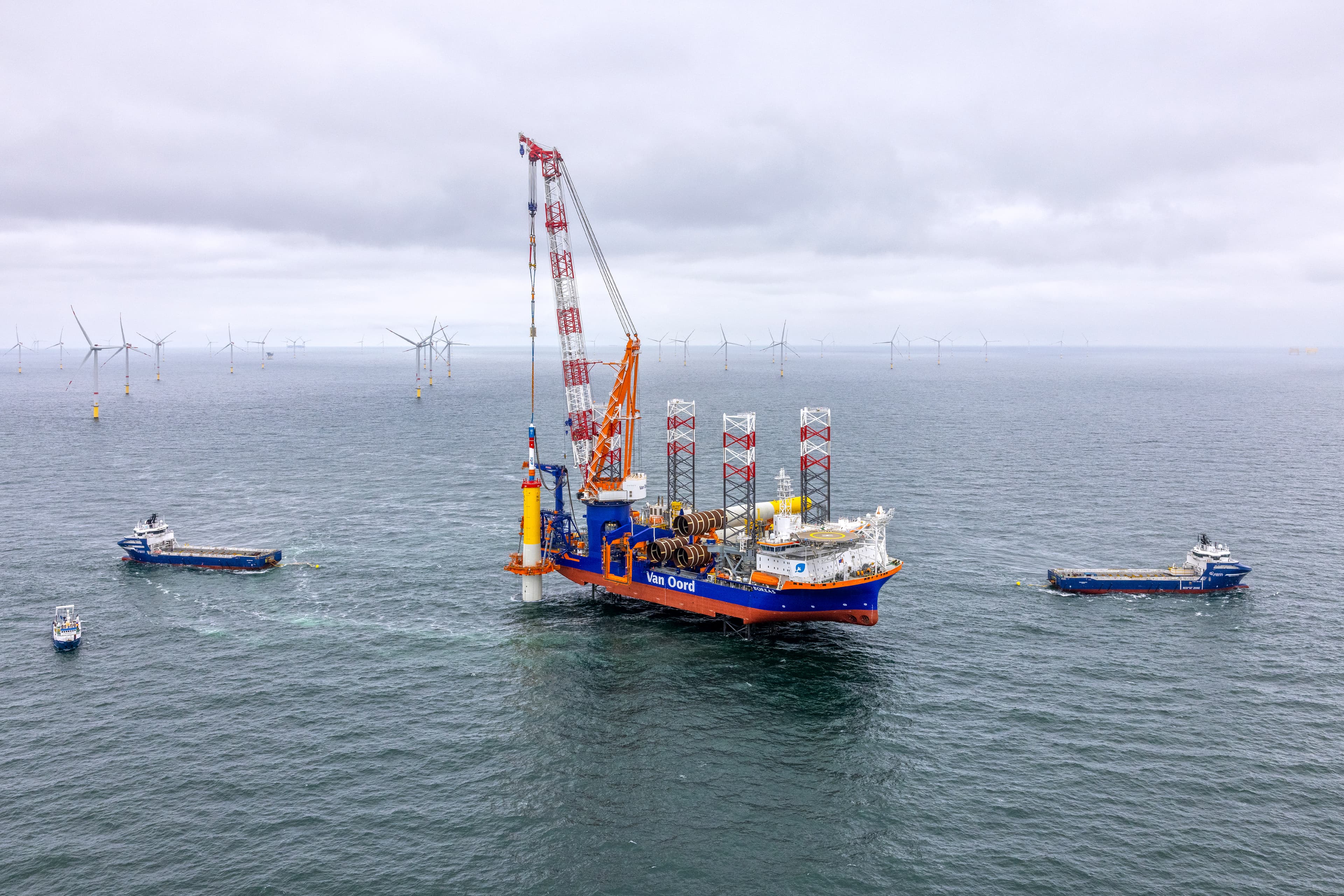
At the same time, Van Oord’s expanding fleet included several vessels featuring different jack-up systems, each requiring specialized, vessel-specific training. Without this tailored instruction, operational efficiency and safety could be compromised.
Risks if unaddressed:
-
Non-compliance with IGF Code and company training standards
-
Increased safety risks during fuel handling and jacking operations
-
Operational inefficiencies and potential downtime due to lack of system-specific competence
Because methanol fuel technology and related training are relatively new, there were no existing programs that adequately addressed Van Oord’s needs. Similarly, commercially available jacking operation courses did not meet the level of specificity or quality required for their fleet.
Solution
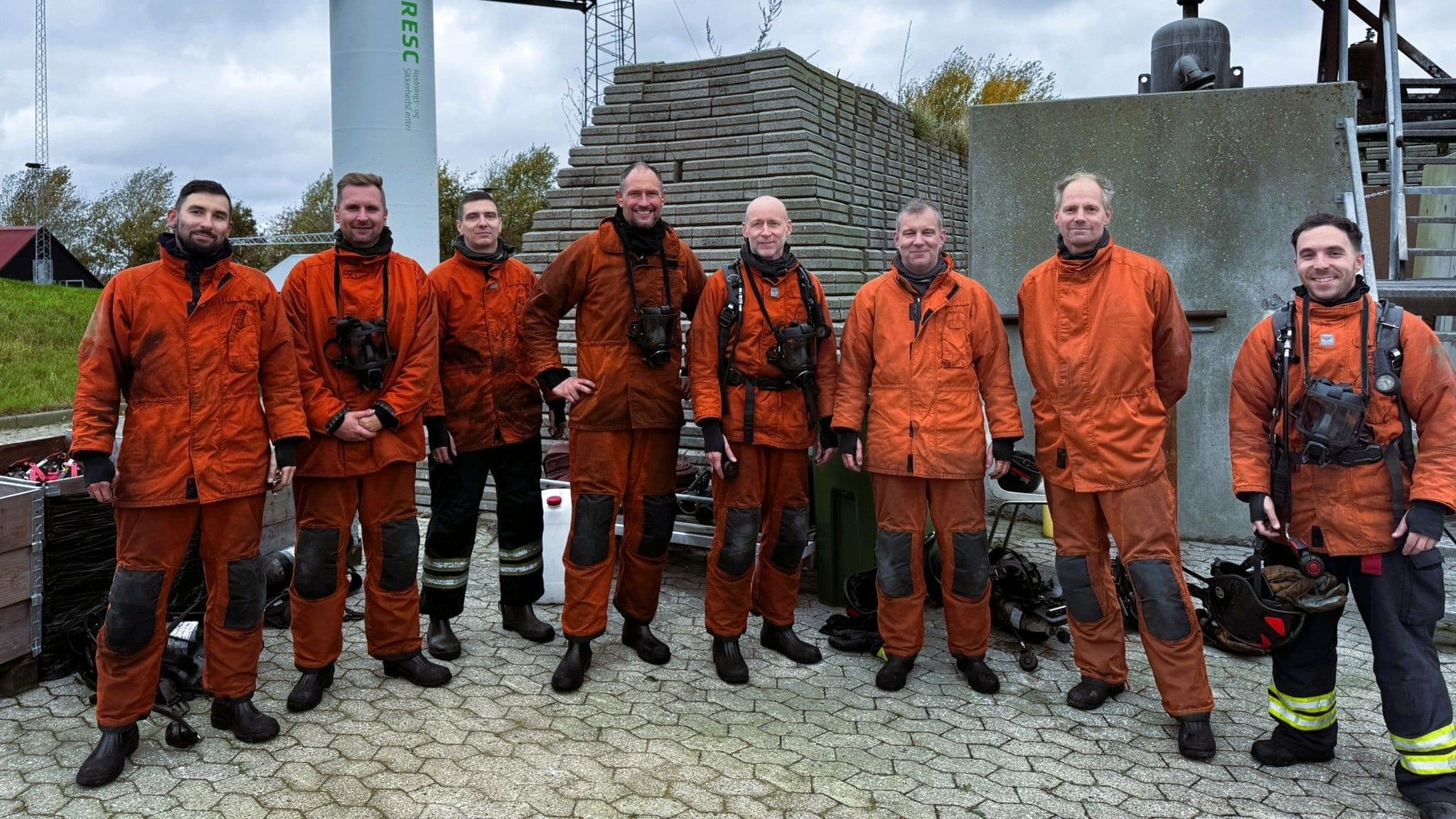
Van Oord partnered with Maersk Training in Svendborg to design and deliver a tailored training solution addressing both methanol fuel safety and jacking operations.
Maersk Training provided an innovative and accredited program, approved by the Danish Maritime Authority, integrating methanol fuel operations into existing regulatory frameworks under the IGF Code. This ensured that the training not only met but exceeded international safety and compliance standards.
For the jacking operations, Maersk Training’s simulator environments were adapted to replicate the exact conditions and systems of Van Oord’s vessels. This ship-specific approach enabled participants to train in realistic scenarios reflecting their own operational environment.
A detailed training plan was co-developed between Van Oord and Maersk Training, defining clear learning objectives and optimizing the schedule to accommodate both the number of crew and the operational commitments of the fleet.
This project represented a milestone in Van Oord’s collaboration with Maersk Training, setting a new benchmark for competence development aligned with emerging maritime technologies.
Impact
The customized training program has enabled Van Oord to maintain full compliance with both international legal requirements and internal safety standards. It also strengthened operational readiness for crews working with methanol-fueled systems and diverse jacking configurations.
While the financial impact was carefully managed, the real value was in risk reduction and workforce competence. The training directly supported Van Oord’s long-standing commitment to safety, innovation, and sustainable operations.
As Van Oord noted, crew competence cannot rely on training alone, but the right training makes a measurable difference. By combining technical skill development with safety awareness, the program helps to prevent incidents, reduce downtime, and enhance overall safety culture on board.